A Guide to Travelling to Pakistan
Pakistan, a land of breathtaking landscapes, rich history, and vibrant culture, has slowly but surely emerged as a must-visit destination for travellers seeking adventure and authenticity. Whether you’re an avid trekker, a history enthusiast, or a foodie eager to explore diverse cuisines, Pakistan offers something for everyone. Here’s your ultimate guide to making the most of your trip to this South Asian gem.
1. Understanding Pakistan
Pakistan is located in South Asia, sharing borders with India, China, Afghanistan, and Iran. Its geographical diversity ranges from the towering peaks of the Karakoram and Himalayan ranges in the north to the vast deserts of Sindh and Balochistan in the south. With a population exceeding 240 million, Pakistan is a melting pot of cultures, languages, and traditions.
The official language is Urdu, though English is widely spoken, particularly in urban areas. The local currency is the Pakistani Rupee (PKR), and cash is king in most areas, so be sure to carry sufficient currency, especially when visiting rural regions.
2. When to Visit
The best time to visit Pakistan depends on your itinerary:
- Northern Pakistan: The northern areas, such as Hunza, Skardu, and Swat, are best visited from May to September, when the weather is pleasant and the mountain passes are accessible.
- Southern Pakistan: Karachi and other southern regions are best explored during the cooler months from November to February to avoid the intense summer heat.
- Cultural Festivals: Time your visit around vibrant festivals like Basant (kite flying) in Lahore or Shandur Polo Festival in the northern valleys.
3. Obtaining a Visa
Most travellers will require a visa to enter Pakistan. Fortunately, the e-visa process has made it easier for tourists. Visit the official website of Pakistan’s Ministry of Interior to apply for an e-visa. Ensure your passport is valid for at least six months from your planned date of entry.
4. Must-Visit Destinations
Northern Pakistan:
- Hunza Valley: Known for its stunning landscapes, ancient forts, and hospitable locals.
- Fairy Meadows: A lush green plateau offering unmatched views of Nanga Parbat, the world’s ninth-highest mountain.
- Skardu: Gateway to some of the world’s tallest peaks, including K2. Don’t miss Satpara Lake and Deosai National Park.
Cultural and Historical Landmarks:
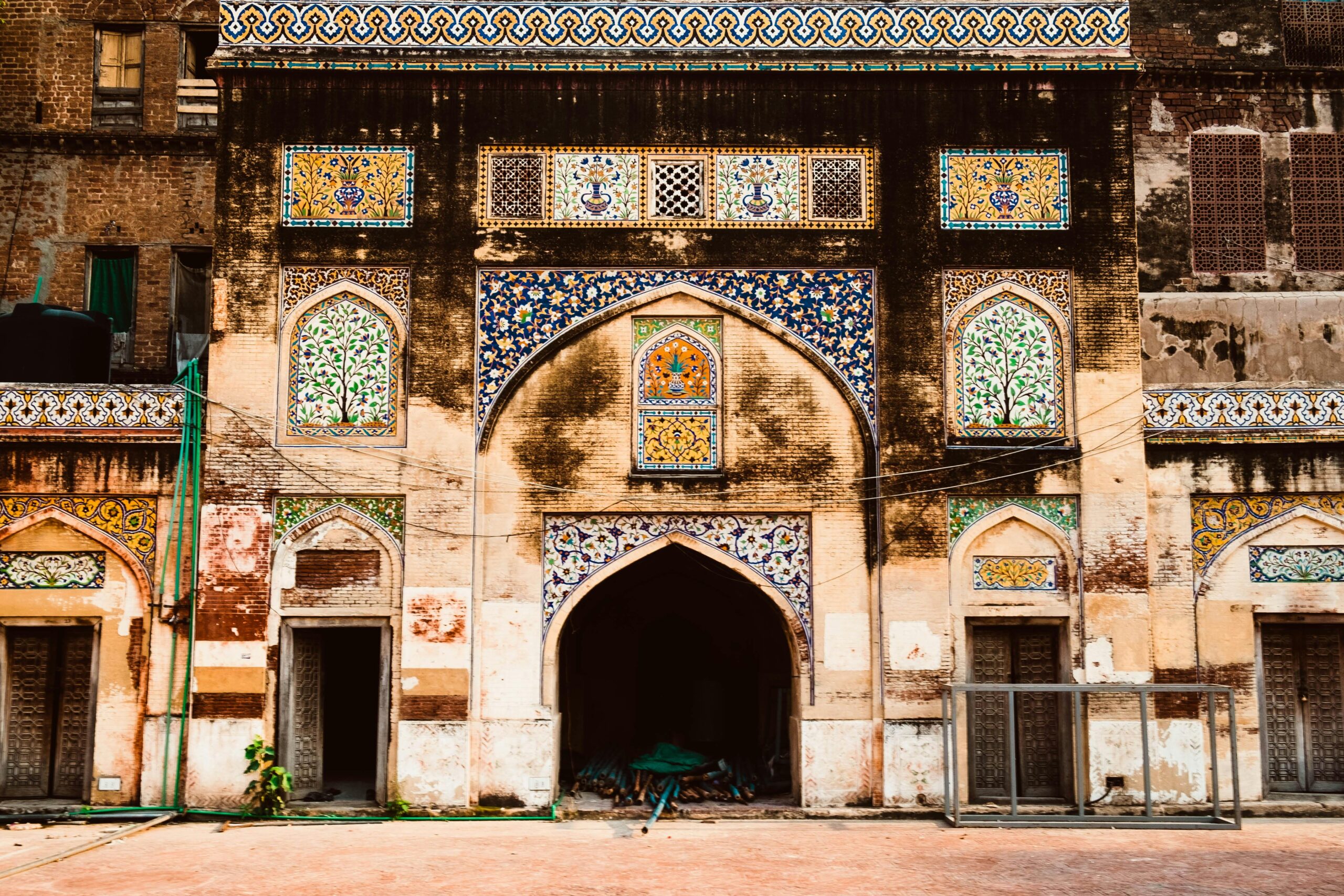
- Lahore: Explore the magnificent Badshahi Mosque, Lahore Fort, and the bustling food streets.
- Islamabad: Visit the Faisal Mosque, Daman-e-Koh, and Lok Virsa Museum.
- Mohenjo-Daro: A UNESCO World Heritage site, this ancient Indus Valley civilisation city is a must-see for history buffs.
Southern Pakistan:
- Karachi: Pakistan’s largest city, known for its seaside, lively markets, and diverse cuisine.
- Makran Coastal Highway: Experience the breathtaking drive along the Arabian Sea, featuring the natural wonders of Hingol National Park.
5. Travel Tips
- Transportation: Domestic flights, such as those operated by PIA and AirSial, are the quickest way to travel long distances. For shorter trips, buses, trains, and ride-hailing apps like Careem and Uber are widely available in cities.
- Health Precautions: Ensure you are vaccinated as per the travel recommendations for Pakistan. Carry basic medications, and avoid drinking tap water; bottled water is widely available.
- Dress Modestly: Pakistan is a conservative country, so dress modestly, especially in rural areas and religious sites.
- Safety: While Pakistan is generally safe for tourists, stay updated on local advisories and avoid travelling to restricted areas without proper permissions.
6. Savour the Local Cuisine
Pakistan’s food scene is a sensory delight. Don’t miss:
- Karahi: A spicy meat curry, cooked in a wok, often served with naan.
- Biryani: A fragrant rice dish layered with meat and spices.
- Street Food: Samosas, pakoras, and chaat are popular snacks available at roadside stalls.
- Tea Culture: Enjoy a cup of chai at a local dhaba (roadside café).
7. Embrace the Culture
Pakistanis are known for their hospitality. Accept invitations to tea or meals when offered. Learn a few phrases in Urdu, such as “Shukriya” (thank you) or “Salam” (hello), to connect with locals.
Final Thoughts
Travelling to Pakistan promises an experience unlike any other, with its blend of natural beauty, history, and cultural richness. Plan your trip thoughtfully, remain respectful of local customs, and you’re sure to leave with unforgettable memories and a deep appreciation for this remarkable country.


You May Also Like
The Romanticised Summer Era Has Arrived

Where to Eat in Pakistan: A Food Lover’s Guide
